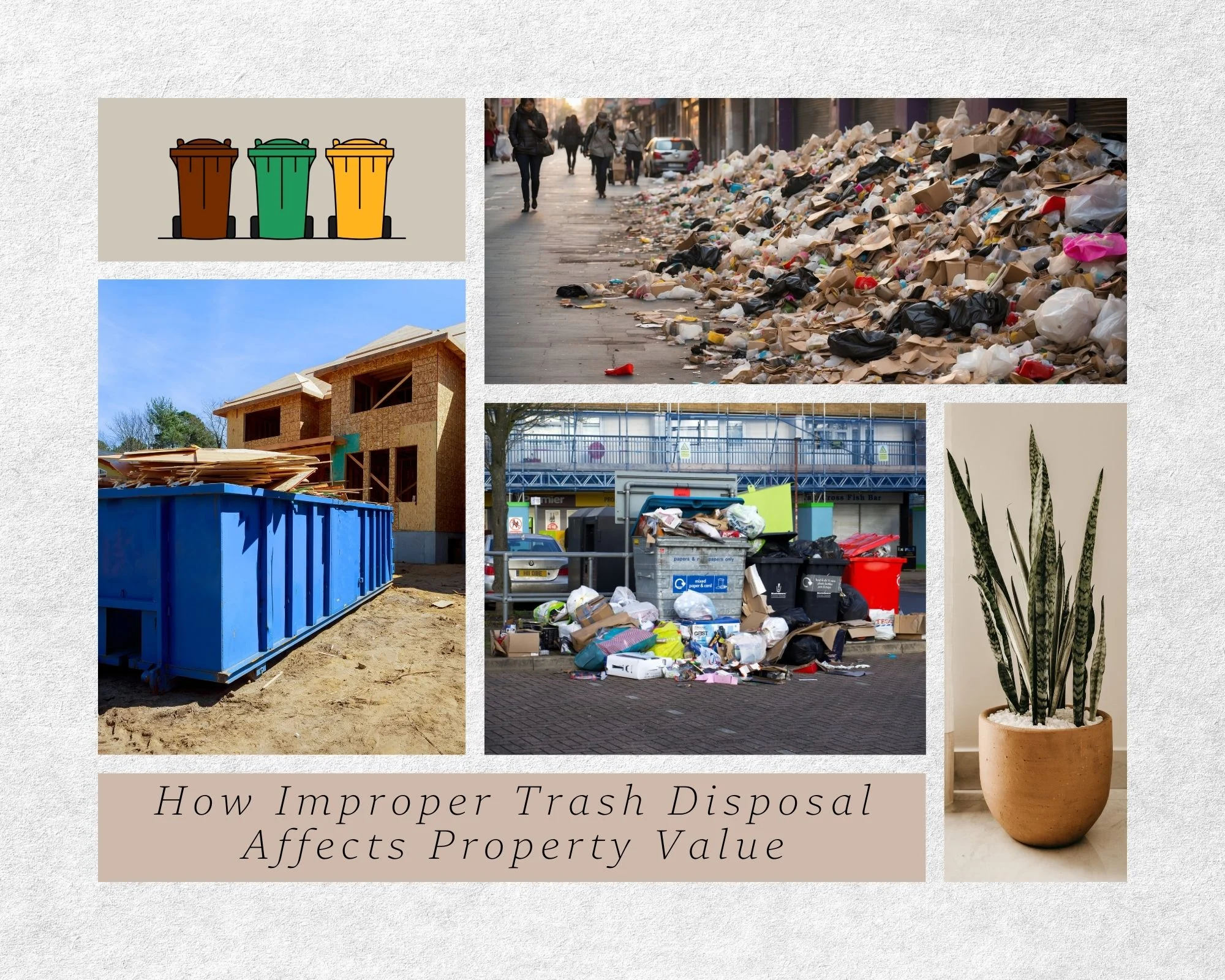
How Improper Trash Disposal Affects Property Value
Cleanliness is one of the first things residents, buyers, and visitors notice about a community. Overflowing dumpsters, scattered trash bags, and unpleasant odors immediately create a negative impression — and that impression directly impacts property value. Waste management isn’t just a maintenance issue; it’s a financial one.
First Impressions Influence Demand
When prospective residents tour a property, exterior conditions shape their perception before they ever see a unit. Trash piled outside enclosures, stained concrete, or pest activity suggests poor management and neglect. Even well-maintained interiors struggle to overcome a bad exterior environment. Properties that appear unmanaged attract fewer qualified tenants and longer vacancy times.
Lower demand often forces leasing teams to offer concessions or reduced rental rates to stay competitive.
Resident Retention Drops
Existing residents also react to sanitation issues. Constant odors, insects, and overflowing trash areas reduce satisfaction and increase complaints. Over time, residents become more likely to move when their lease ends. High turnover leads to additional costs including cleaning, repairs, marketing, and lost occupancy days.
Consistent trash service and organized collection areas help protect resident experience and lease renewals.
Pest Problems Increase Maintenance Costs
Improperly disposed waste attracts rodents, raccoons, insects, and stray animals. Once pests establish a food source, they often spread into buildings, causing damage to insulation, wiring, and walls. Pest control treatments, repairs, and preventative sealing quickly become expensive recurring costs.
Preventative trash handling is significantly cheaper than ongoing extermination.
Municipal Fines and Code Violations
Cities frequently issue citations for unsanitary waste areas, illegal dumping, or blocked enclosures. Repeated violations can result in escalating fines or mandatory corrective action. These penalties not only increase operating expenses but also become public records that can affect property reputation.
Compliance starts with consistent collection habits and resident cooperation.
Long-Term Property Value Impact
Appraisers and investors evaluate overall property condition, including maintenance standards and operational efficiency. Chronic sanitation issues signal deferred maintenance and poor management practices, which can lower valuation and investor confidence. Even small recurring problems can compound over time and affect resale potential.
Protecting Community Value
Simple operational habits make a measurable difference:
• Keep waste areas organized and accessible
• Ensure scheduled, reliable collection
• Encourage residents to bag and tie trash properly
• Remove bulk items quickly
• Monitor for illegal dumping
Waste management is often overlooked until problems appear, but consistent service protects curb appeal, resident satisfaction, and long-term asset value. A clean property doesn’t just look better — it performs better financially.
Share This Story, Choose Your Platform!
How Improper Trash Disposal Affects Property Value
Cleanliness is one of the first things residents, buyers, and visitors notice about a community. Overflowing dumpsters, scattered trash bags, and unpleasant odors immediately create a negative impression — and that impression directly impacts property value. Waste management isn’t just a maintenance issue; it’s a financial one.
First Impressions Influence Demand
When prospective residents tour a property, exterior conditions shape their perception before they ever see a unit. Trash piled outside enclosures, stained concrete, or pest activity suggests poor management and neglect. Even well-maintained interiors struggle to overcome a bad exterior environment. Properties that appear unmanaged attract fewer qualified tenants and longer vacancy times.
Lower demand often forces leasing teams to offer concessions or reduced rental rates to stay competitive.
Resident Retention Drops
Existing residents also react to sanitation issues. Constant odors, insects, and overflowing trash areas reduce satisfaction and increase complaints. Over time, residents become more likely to move when their lease ends. High turnover leads to additional costs including cleaning, repairs, marketing, and lost occupancy days.
Consistent trash service and organized collection areas help protect resident experience and lease renewals.
Pest Problems Increase Maintenance Costs
Improperly disposed waste attracts rodents, raccoons, insects, and stray animals. Once pests establish a food source, they often spread into buildings, causing damage to insulation, wiring, and walls. Pest control treatments, repairs, and preventative sealing quickly become expensive recurring costs.
Preventative trash handling is significantly cheaper than ongoing extermination.
Municipal Fines and Code Violations
Cities frequently issue citations for unsanitary waste areas, illegal dumping, or blocked enclosures. Repeated violations can result in escalating fines or mandatory corrective action. These penalties not only increase operating expenses but also become public records that can affect property reputation.
Compliance starts with consistent collection habits and resident cooperation.
Long-Term Property Value Impact
Appraisers and investors evaluate overall property condition, including maintenance standards and operational efficiency. Chronic sanitation issues signal deferred maintenance and poor management practices, which can lower valuation and investor confidence. Even small recurring problems can compound over time and affect resale potential.
Protecting Community Value
Simple operational habits make a measurable difference:
• Keep waste areas organized and accessible
• Ensure scheduled, reliable collection
• Encourage residents to bag and tie trash properly
• Remove bulk items quickly
• Monitor for illegal dumping
Waste management is often overlooked until problems appear, but consistent service protects curb appeal, resident satisfaction, and long-term asset value. A clean property doesn’t just look better — it performs better financially.