How Neighborhood Waste Habits Affect Local Wildlife
When people think about wildlife conservation, they often picture forests, national parks, or remote natural habitats. However, everyday habits in residential neighborhoods can have a significant impact on local wildlife. The way household waste is handled—whether it’s secured properly, recycled correctly, or disposed of responsibly—can influence the safety and health of animals that live nearby.
Even small changes in how trash is managed can make a meaningful difference for wildlife in the community.
Why Trash Attracts Wildlife
Many animals rely on their sense of smell to find food. When trash bags are left unsecured, overflowing, or exposed, they become easy targets for wildlife looking for a quick meal.
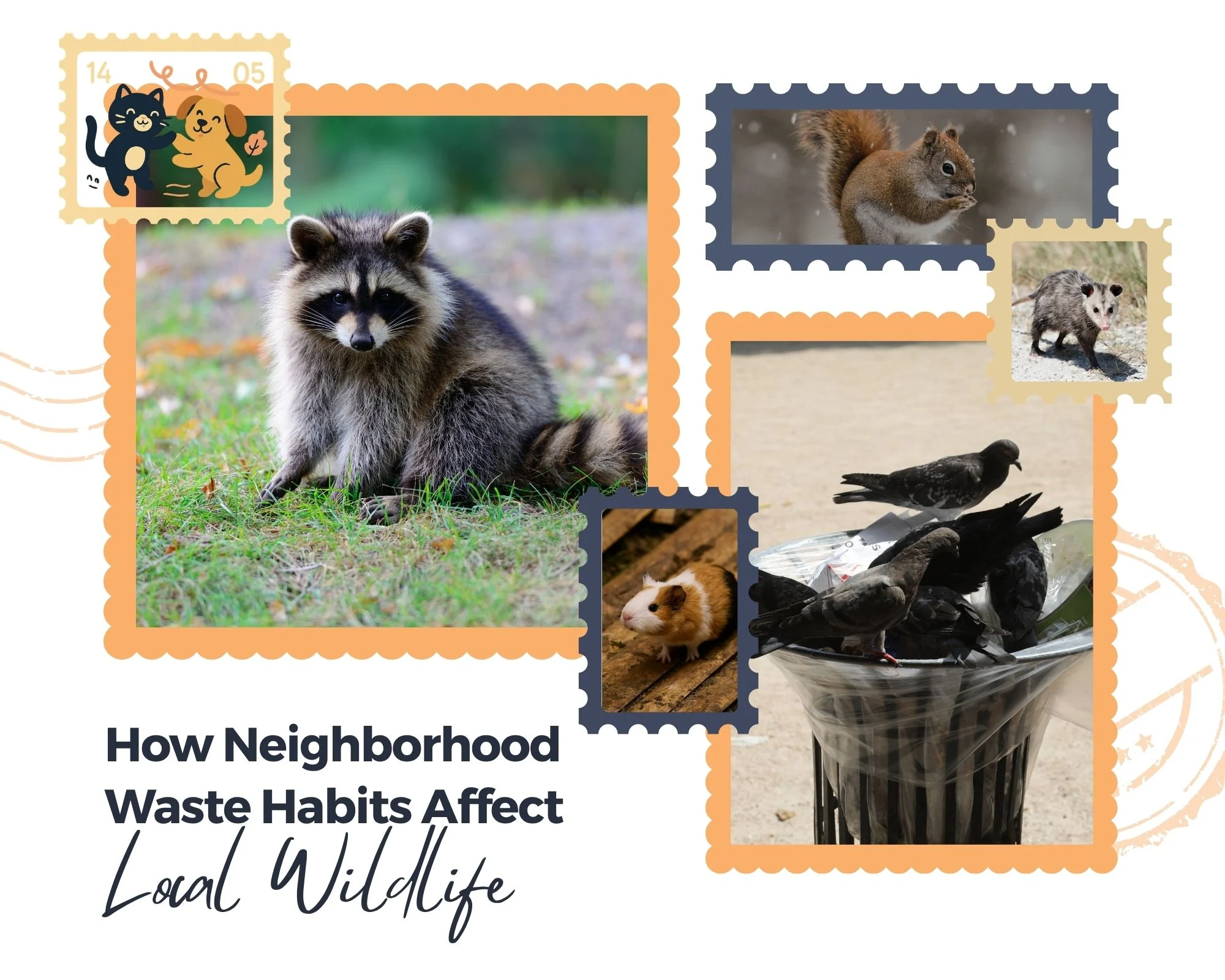
Animals commonly attracted to household waste include:
- Raccoons
- Opossums
- Squirrels
- Birds
- Stray animals
- Rodents
While it may seem harmless at first, regular access to human food waste can change animal behavior. Wildlife can become dependent on trash instead of natural food sources, which disrupts their natural feeding patterns and habitats.
The Dangers Trash Creates for Animals
Improperly disposed trash can pose serious risks to wildlife. Animals searching through garbage may encounter materials that are dangerous or even deadly.
Some common hazards include:
Plastic packaging – Animals can choke on or become entangled in plastic bags and wrappers.
Sharp objects – Broken glass, metal cans, and other sharp materials can cause injuries.
Food containers – Animals sometimes get their heads stuck inside jars, cans, or containers while searching for food.
Toxic waste – Household chemicals, cleaning products, and other hazardous materials can poison wildlife if consumed.
These dangers are often preventable with responsible waste management.
How Trash Habits Can Disrupt Local Ecosystems
When wildlife begins relying on household trash as a food source, it can lead to larger environmental issues. Animals that grow comfortable around residential areas may lose their natural fear of humans and venture closer to homes.
This can lead to:
- Increased wildlife encounters with residents
- Property damage caused by animals searching for food
- Greater risk of disease transmission between animals and humans
- Imbalances in local ecosystems
Maintaining proper waste disposal habits helps reduce these risks and encourages wildlife to rely on natural food sources instead.
Simple Ways Residents Can Help Protect Wildlife
Responsible waste management is one of the easiest ways homeowners can help protect animals in their area. A few simple habits can make a big difference.
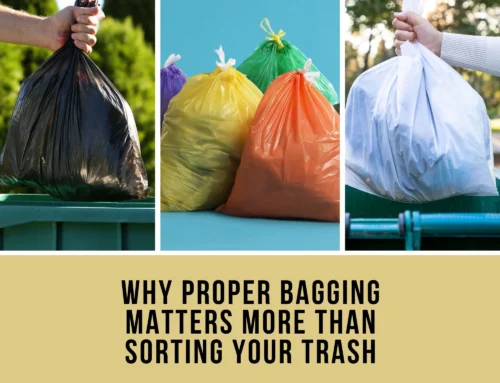
Secure trash bags properly.
Tightly tied bags help prevent odors from attracting animals.
Use sturdy trash containers with lids.
Containers with secure lids make it much harder for wildlife to access food waste.
Avoid leaving trash out too early.
Place bins out close to scheduled pickup times whenever possible.
Rinse recyclable containers.
Removing food residue reduces smells that attract animals.
Dispose of hazardous waste correctly.
Chemicals, batteries, and other harmful materials should never go in standard household trash.
These small steps help create safer neighborhoods for both residents and wildlife.
Community Responsibility Matters
Wildlife protection isn’t just about large conservation efforts—it also depends on everyday actions taken in neighborhoods across the country. When communities practice responsible waste disposal, they help prevent wildlife from being harmed or displaced by human activity.
Proper waste management protects local ecosystems, reduces animal injuries, and keeps neighborhoods cleaner and safer for everyone.
By paying attention to how trash is handled at home, residents can play a small but important role in protecting the wildlife that shares their environment.
Share This Story, Choose Your Platform!
How Neighborhood Waste Habits Affect Local Wildlife
When people think about wildlife conservation, they often picture forests, national parks, or remote natural habitats. However, everyday habits in residential neighborhoods can have a significant impact on local wildlife. The way household waste is handled—whether it’s secured properly, recycled correctly, or disposed of responsibly—can influence the safety and health of animals that live nearby.
Even small changes in how trash is managed can make a meaningful difference for wildlife in the community.
Why Trash Attracts Wildlife
Many animals rely on their sense of smell to find food. When trash bags are left unsecured, overflowing, or exposed, they become easy targets for wildlife looking for a quick meal.
Animals commonly attracted to household waste include:
- Raccoons
- Opossums
- Squirrels
- Birds
- Stray animals
- Rodents
While it may seem harmless at first, regular access to human food waste can change animal behavior. Wildlife can become dependent on trash instead of natural food sources, which disrupts their natural feeding patterns and habitats.
The Dangers Trash Creates for Animals
Improperly disposed trash can pose serious risks to wildlife. Animals searching through garbage may encounter materials that are dangerous or even deadly.
Some common hazards include:
Plastic packaging – Animals can choke on or become entangled in plastic bags and wrappers.
Sharp objects – Broken glass, metal cans, and other sharp materials can cause injuries.
Food containers – Animals sometimes get their heads stuck inside jars, cans, or containers while searching for food.
Toxic waste – Household chemicals, cleaning products, and other hazardous materials can poison wildlife if consumed.
These dangers are often preventable with responsible waste management.
How Trash Habits Can Disrupt Local Ecosystems
When wildlife begins relying on household trash as a food source, it can lead to larger environmental issues. Animals that grow comfortable around residential areas may lose their natural fear of humans and venture closer to homes.
This can lead to:
- Increased wildlife encounters with residents
- Property damage caused by animals searching for food
- Greater risk of disease transmission between animals and humans
- Imbalances in local ecosystems
Maintaining proper waste disposal habits helps reduce these risks and encourages wildlife to rely on natural food sources instead.
Simple Ways Residents Can Help Protect Wildlife
Responsible waste management is one of the easiest ways homeowners can help protect animals in their area. A few simple habits can make a big difference.
Secure trash bags properly.
Tightly tied bags help prevent odors from attracting animals.
Use sturdy trash containers with lids.
Containers with secure lids make it much harder for wildlife to access food waste.
Avoid leaving trash out too early.
Place bins out close to scheduled pickup times whenever possible.
Rinse recyclable containers.
Removing food residue reduces smells that attract animals.
Dispose of hazardous waste correctly.
Chemicals, batteries, and other harmful materials should never go in standard household trash.
These small steps help create safer neighborhoods for both residents and wildlife.
Community Responsibility Matters
Wildlife protection isn’t just about large conservation efforts—it also depends on everyday actions taken in neighborhoods across the country. When communities practice responsible waste disposal, they help prevent wildlife from being harmed or displaced by human activity.
Proper waste management protects local ecosystems, reduces animal injuries, and keeps neighborhoods cleaner and safer for everyone.
By paying attention to how trash is handled at home, residents can play a small but important role in protecting the wildlife that shares their environment.