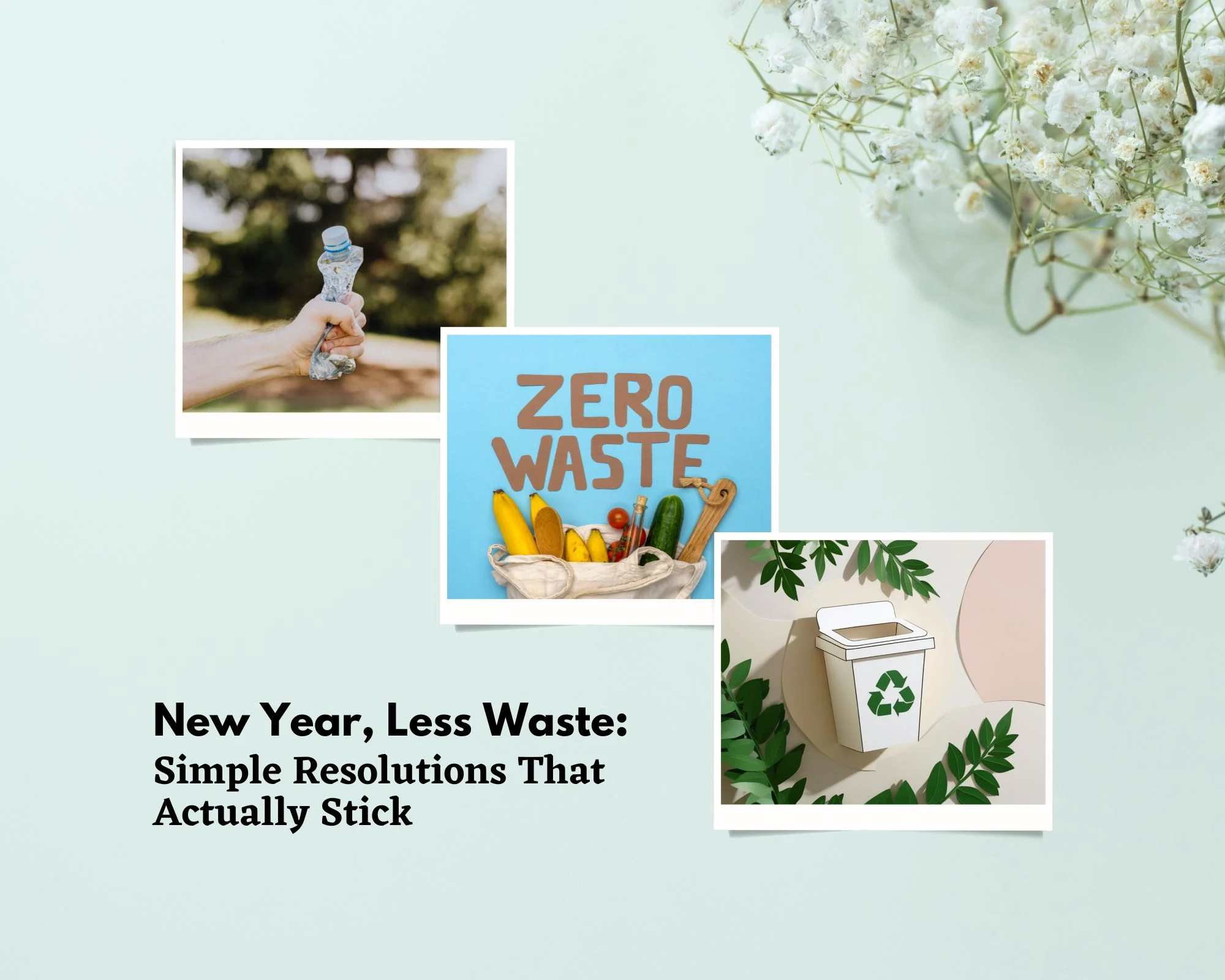
New Year, Less Waste: Simple Resolutions That Actually Stick
The start of a new year often brings renewed motivation to improve habits, simplify routines, and live more intentionally. While many resolutions focus on health or finances, reducing household waste is a goal that benefits both individuals and communities. The challenge, however, is choosing changes that are realistic and sustainable long-term. Instead of drastic lifestyle overhauls, small waste-reduction resolutions are more likely to stick—and make a meaningful impact over time.
Why Waste Reduction Resolutions Fail
Many well-intentioned resolutions fail because they are too ambitious or inconvenient. Eliminating all plastic use or achieving zero waste overnight can quickly become overwhelming. When goals feel unattainable, people are more likely to abandon them entirely.
Successful waste reduction starts with simple, consistent actions that fit naturally into daily life. These manageable changes create momentum and build habits that last beyond January.
Start With Smarter Purchasing Habits
One of the easiest ways to reduce waste is to be mindful before items even enter the home. Buying only what is needed, choosing products with minimal packaging, and avoiding impulse purchases can significantly cut down on trash.
Opting for reusable alternatives—such as refillable containers or durable household items—reduces long-term waste while saving money. Over time, these small purchasing decisions lead to less clutter and fewer items being discarded.
Make Recycling Easy and Consistent
Recycling is most effective when it is convenient and clearly understood. One practical resolution is committing to proper recycling habits rather than perfect ones. Learning which materials are accepted locally and taking a few extra seconds to sort items correctly can prevent contamination and improve recycling outcomes.
Breaking down cardboard boxes, rinsing containers, and placing recyclables in designated bins helps reduce overflow and keeps shared spaces cleaner. When recycling becomes routine, it requires little effort to maintain.
Reduce Single-Use Items at Home
Single-use items contribute significantly to household waste, especially after the holidays. Replacing disposable products with reusable options—such as cloth towels, refillable water bottles, and washable food storage—creates lasting waste reduction.
These changes don’t need to happen all at once. Gradually swapping items as replacements are needed makes the transition easier and more affordable.
Plan Ahead to Prevent Food Waste
Food waste is one of the most common contributors to overflowing trash bins. A simple resolution to plan meals, store food properly, and use leftovers intentionally can dramatically reduce waste.
Creating a weekly meal plan, keeping track of expiration dates, and freezing excess food before it spoils helps households save money while keeping organic waste out of landfills.
Declutter Responsibly Throughout the Year
Many people start the new year by decluttering their homes, but responsible disposal is key. Donating usable items, recycling electronics properly, and scheduling bulk disposal when needed prevents unnecessary landfill waste.
Rather than waiting for another major cleanout, committing to small decluttering sessions throughout the year helps maintain organization and reduces waste buildup.
How Communities Benefit From Small Changes
When individuals adopt better waste habits, the benefits extend beyond the home. Cleaner trash areas reduce pests, odors, and overflow in shared spaces. Proper recycling reduces strain on local landfills and improves overall sanitation.
Communities with consistent waste management practices experience fewer service disruptions and lower environmental impact, especially during high-volume months.
Making Less Waste a Year-Long Mindset
The most effective New Year resolutions are the ones that feel achievable and sustainable. By focusing on simple, realistic changes, households can reduce waste without sacrificing convenience.
Less waste isn’t about perfection—it’s about progress. When mindful habits replace short-term resolutions, the impact lasts well beyond the new year, creating cleaner homes, healthier communities, and a more sustainable future.
Share This Story, Choose Your Platform!
New Year, Less Waste: Simple Resolutions That Actually Stick
The start of a new year often brings renewed motivation to improve habits, simplify routines, and live more intentionally. While many resolutions focus on health or finances, reducing household waste is a goal that benefits both individuals and communities. The challenge, however, is choosing changes that are realistic and sustainable long-term. Instead of drastic lifestyle overhauls, small waste-reduction resolutions are more likely to stick—and make a meaningful impact over time.
Why Waste Reduction Resolutions Fail
Many well-intentioned resolutions fail because they are too ambitious or inconvenient. Eliminating all plastic use or achieving zero waste overnight can quickly become overwhelming. When goals feel unattainable, people are more likely to abandon them entirely.
Successful waste reduction starts with simple, consistent actions that fit naturally into daily life. These manageable changes create momentum and build habits that last beyond January.
Start With Smarter Purchasing Habits
One of the easiest ways to reduce waste is to be mindful before items even enter the home. Buying only what is needed, choosing products with minimal packaging, and avoiding impulse purchases can significantly cut down on trash.
Opting for reusable alternatives—such as refillable containers or durable household items—reduces long-term waste while saving money. Over time, these small purchasing decisions lead to less clutter and fewer items being discarded.
Make Recycling Easy and Consistent
Recycling is most effective when it is convenient and clearly understood. One practical resolution is committing to proper recycling habits rather than perfect ones. Learning which materials are accepted locally and taking a few extra seconds to sort items correctly can prevent contamination and improve recycling outcomes.
Breaking down cardboard boxes, rinsing containers, and placing recyclables in designated bins helps reduce overflow and keeps shared spaces cleaner. When recycling becomes routine, it requires little effort to maintain.
Reduce Single-Use Items at Home
Single-use items contribute significantly to household waste, especially after the holidays. Replacing disposable products with reusable options—such as cloth towels, refillable water bottles, and washable food storage—creates lasting waste reduction.
These changes don’t need to happen all at once. Gradually swapping items as replacements are needed makes the transition easier and more affordable.
Plan Ahead to Prevent Food Waste
Food waste is one of the most common contributors to overflowing trash bins. A simple resolution to plan meals, store food properly, and use leftovers intentionally can dramatically reduce waste.
Creating a weekly meal plan, keeping track of expiration dates, and freezing excess food before it spoils helps households save money while keeping organic waste out of landfills.
Declutter Responsibly Throughout the Year
Many people start the new year by decluttering their homes, but responsible disposal is key. Donating usable items, recycling electronics properly, and scheduling bulk disposal when needed prevents unnecessary landfill waste.
Rather than waiting for another major cleanout, committing to small decluttering sessions throughout the year helps maintain organization and reduces waste buildup.
How Communities Benefit From Small Changes
When individuals adopt better waste habits, the benefits extend beyond the home. Cleaner trash areas reduce pests, odors, and overflow in shared spaces. Proper recycling reduces strain on local landfills and improves overall sanitation.
Communities with consistent waste management practices experience fewer service disruptions and lower environmental impact, especially during high-volume months.
Making Less Waste a Year-Long Mindset
The most effective New Year resolutions are the ones that feel achievable and sustainable. By focusing on simple, realistic changes, households can reduce waste without sacrificing convenience.
Less waste isn’t about perfection—it’s about progress. When mindful habits replace short-term resolutions, the impact lasts well beyond the new year, creating cleaner homes, healthier communities, and a more sustainable future.