Preventing Pests with Proper Trash Disposal
Trash and recycling areas are essential for community living, but they can also attract unwanted pests if not managed correctly. From rodents and raccoons to flies and ants, improper trash disposal creates a perfect environment for infestations. For condo residents and property managers, maintaining clean and organized trash areas is key to preventing these problems.
Why Pests Are Drawn to Trash Areas
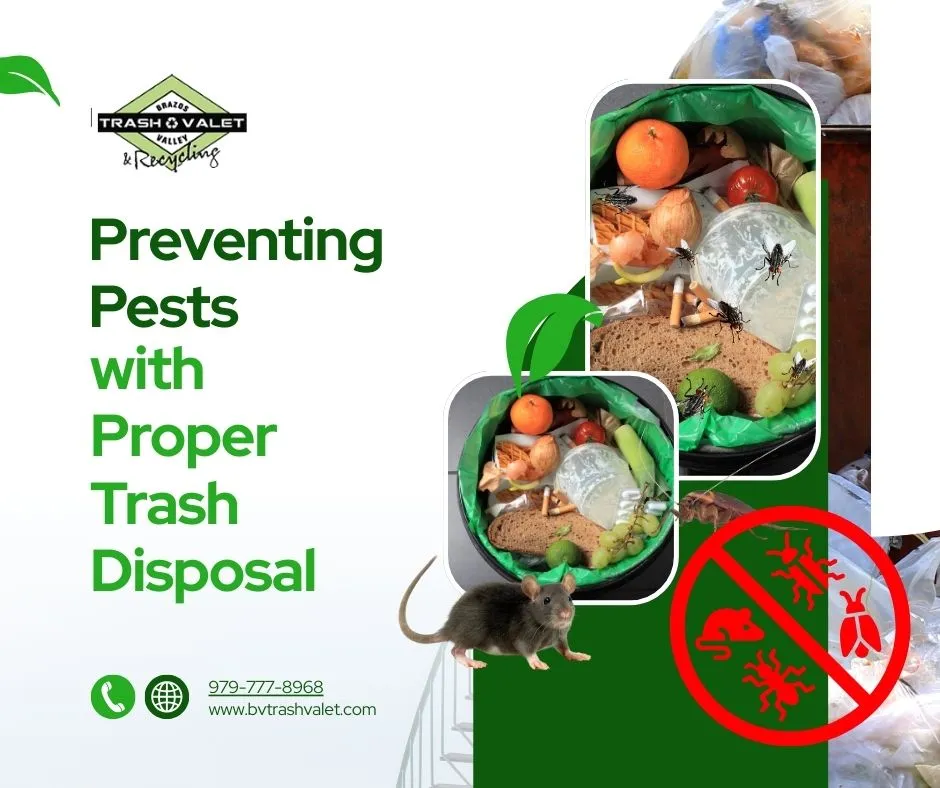
Pests are naturally attracted to food, moisture, and shelter—all of which are often found in trash areas. Overflowing bins, open bags, and improperly disposed food waste create easy access for rats, mice, insects, and even larger wildlife like raccoons.
These infestations aren’t just unpleasant—they can spread disease, cause property damage, and create additional maintenance costs. By taking preventive measures, communities can protect residents, improve cleanliness, and reduce pest-related expenses.
Tips for Proper Trash Disposal to Prevent Pests
- Use Secure, Sealed Containers
Always store trash in sturdy, covered containers or bags. Lids should close tightly to prevent pests from accessing the contents. Trash valet services often provide bins with secure lids to minimize exposure. - Dispose of Food Waste Correctly
Food scraps should never be left loose or in thin bags that can tear easily. Consider using compost bins for organic waste where allowed, and always double-bag particularly messy items like meat or dairy scraps. - Schedule Regular Pickups
Trash that sits for too long increases the risk of pests. Ensure that pickups happen frequently, especially in high-traffic areas. A reliable trash valet service can help maintain consistent collection schedules. - Keep Recycling Clean and Dry
Rinsing out containers before recycling prevents residues that attract ants, flies, and rodents. Wet or sticky recyclables are more likely to create odors and become pest magnets. - Maintain Trash Areas
Regularly clean and disinfect trash rooms, dumpsters, and surrounding areas. Removing spilled food, debris, and liquid buildup makes the environment less appealing to pests. - Educate Residents
Community awareness is crucial. Provide residents with clear guidelines on proper trash disposal, including what can be recycled, how to bag trash, and tips for minimizing odors. Signage in trash areas can reinforce these practices.
The Benefits of Proper Trash Management
Proper trash disposal doesn’t just reduce pests—it improves the overall cleanliness and safety of the community. Benefits include:
- Fewer infestations and less disease risk
- Cleaner, more pleasant shared spaces
- Reduced maintenance and cleanup costs
- Enhanced resident satisfaction
By implementing these strategies, condo communities can prevent pests before they become a problem. A few proactive steps in trash management go a long way in creating a safe, healthy, and comfortable living environment.
Share This Story, Choose Your Platform!
Preventing Pests with Proper Trash Disposal
Trash and recycling areas are essential for community living, but they can also attract unwanted pests if not managed correctly. From rodents and raccoons to flies and ants, improper trash disposal creates a perfect environment for infestations. For condo residents and property managers, maintaining clean and organized trash areas is key to preventing these problems.
Why Pests Are Drawn to Trash Areas
Pests are naturally attracted to food, moisture, and shelter—all of which are often found in trash areas. Overflowing bins, open bags, and improperly disposed food waste create easy access for rats, mice, insects, and even larger wildlife like raccoons.
These infestations aren’t just unpleasant—they can spread disease, cause property damage, and create additional maintenance costs. By taking preventive measures, communities can protect residents, improve cleanliness, and reduce pest-related expenses.
Tips for Proper Trash Disposal to Prevent Pests
- Use Secure, Sealed Containers
Always store trash in sturdy, covered containers or bags. Lids should close tightly to prevent pests from accessing the contents. Trash valet services often provide bins with secure lids to minimize exposure. - Dispose of Food Waste Correctly
Food scraps should never be left loose or in thin bags that can tear easily. Consider using compost bins for organic waste where allowed, and always double-bag particularly messy items like meat or dairy scraps. - Schedule Regular Pickups
Trash that sits for too long increases the risk of pests. Ensure that pickups happen frequently, especially in high-traffic areas. A reliable trash valet service can help maintain consistent collection schedules. - Keep Recycling Clean and Dry
Rinsing out containers before recycling prevents residues that attract ants, flies, and rodents. Wet or sticky recyclables are more likely to create odors and become pest magnets. - Maintain Trash Areas
Regularly clean and disinfect trash rooms, dumpsters, and surrounding areas. Removing spilled food, debris, and liquid buildup makes the environment less appealing to pests. - Educate Residents
Community awareness is crucial. Provide residents with clear guidelines on proper trash disposal, including what can be recycled, how to bag trash, and tips for minimizing odors. Signage in trash areas can reinforce these practices.
The Benefits of Proper Trash Management
Proper trash disposal doesn’t just reduce pests—it improves the overall cleanliness and safety of the community. Benefits include:
- Fewer infestations and less disease risk
- Cleaner, more pleasant shared spaces
- Reduced maintenance and cleanup costs
- Enhanced resident satisfaction
By implementing these strategies, condo communities can prevent pests before they become a problem. A few proactive steps in trash management go a long way in creating a safe, healthy, and comfortable living environment.