Why Trash Volume Spikes in January and What That Means for Communities
January often feels like a reset month—new goals, new routines, and a return to normal after the holidays. However, behind the scenes, communities experience a noticeable surge in trash volume. From discarded packaging to unwanted gifts and home replacements, post-holiday waste presents real challenges for neighborhoods, property managers, and waste service providers alike. Understanding why this spike happens and how it affects communities is the first step toward managing it responsibly.
The Post-Holiday Consumption Effect
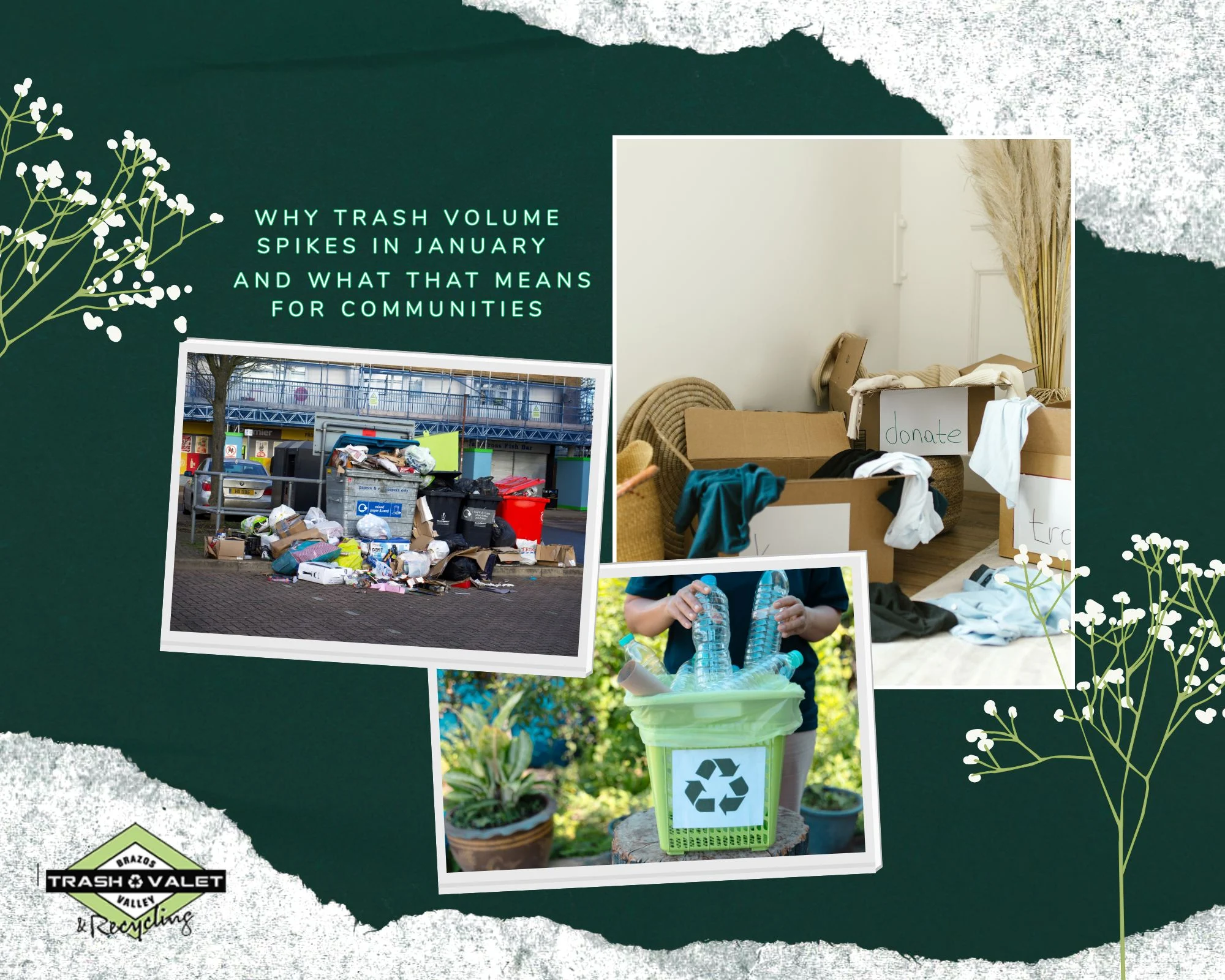
The holiday season encourages higher levels of consumer spending, and January is when the aftermath becomes visible. Homes are filled with packaging from gifts, decorations are taken down, and households begin discarding items that were replaced during the holidays. Large boxes, plastic wrapping, foam inserts, and shipping materials quickly accumulate, increasing the amount of waste generated in a short period.
In addition, many people use holiday gift cards and returns in January, leading to another wave of purchases and packaging waste. This cycle contributes significantly to overflowing bins and dumpsters, especially in multi-family communities.
Returns, Replacements, and Unwanted Items
January is one of the busiest months for retail returns. Items that don’t fit, duplicates, or unwanted gifts often come with excessive packaging that is rarely reused. At the same time, many households replace outdated furniture, appliances, or electronics using holiday funds or gift cards.
These replacements often result in bulky trash items, cardboard overload, and improper disposal when residents are unsure how to manage large or specialty waste. When not handled correctly, these materials can overwhelm trash areas and disrupt normal collection schedules.
Packaging Overflow and Recycling Confusion
While cardboard and some packaging materials are recyclable, not all residents know how to dispose of them properly. Packaging that contains mixed materials—such as plastic-lined boxes or foam padding—often ends up contaminating recycling streams.
Overflowing recycling bins can cause residents to place recyclable items in trash containers or leave them outside collection areas. This not only reduces recycling efficiency but also contributes to litter, pests, and visual clutter in shared spaces.
The Impact on Community Cleanliness and Safety
Increased trash volume doesn’t just affect waste bins—it impacts the overall health and appearance of a community. Overflowing dumpsters attract pests, create unpleasant odors, and pose safety hazards when debris blocks walkways or access points.
For multi-family properties, these conditions can lead to resident complaints, strained property management resources, and higher maintenance costs. Consistent and reliable waste collection becomes even more critical during high-volume months like January.
Environmental Consequences of Increased Waste
When excess waste is not properly sorted or managed, recyclable materials often end up in landfills unnecessarily. The environmental cost includes wasted resources, increased greenhouse gas emissions, and added strain on waste management infrastructure.
January’s surge highlights the importance of education and convenience when it comes to recycling and waste disposal. Communities that prioritize proper disposal methods can significantly reduce their environmental footprint during peak waste periods.
How Communities Can Prepare and Respond
Proactive planning can make a meaningful difference. Clear communication about disposal guidelines, proper recycling practices, and bulk item handling helps residents make better choices. Providing convenient services, such as consistent trash and recycling pickup, reduces the temptation to improperly discard items.
Trash valet and recycling services play an important role in maintaining cleanliness during high-volume months. By streamlining collection and reducing overflow, these services help communities stay clean, safe, and environmentally responsible.
Turning January Waste Into a Learning Opportunity
Rather than viewing January’s trash spike as an unavoidable problem, communities can treat it as an opportunity to improve waste habits year-round. Encouraging mindful consumption, proper recycling, and responsible disposal sets the tone for a cleaner, more sustainable year ahead.
With awareness and the right waste management solutions in place, communities can navigate January’s challenges while protecting both their environment and quality of life.
Share This Story, Choose Your Platform!
Why Trash Volume Spikes in January and What That Means for Communities
January often feels like a reset month—new goals, new routines, and a return to normal after the holidays. However, behind the scenes, communities experience a noticeable surge in trash volume. From discarded packaging to unwanted gifts and home replacements, post-holiday waste presents real challenges for neighborhoods, property managers, and waste service providers alike. Understanding why this spike happens and how it affects communities is the first step toward managing it responsibly.
The Post-Holiday Consumption Effect
The holiday season encourages higher levels of consumer spending, and January is when the aftermath becomes visible. Homes are filled with packaging from gifts, decorations are taken down, and households begin discarding items that were replaced during the holidays. Large boxes, plastic wrapping, foam inserts, and shipping materials quickly accumulate, increasing the amount of waste generated in a short period.
In addition, many people use holiday gift cards and returns in January, leading to another wave of purchases and packaging waste. This cycle contributes significantly to overflowing bins and dumpsters, especially in multi-family communities.
Returns, Replacements, and Unwanted Items
January is one of the busiest months for retail returns. Items that don’t fit, duplicates, or unwanted gifts often come with excessive packaging that is rarely reused. At the same time, many households replace outdated furniture, appliances, or electronics using holiday funds or gift cards.
These replacements often result in bulky trash items, cardboard overload, and improper disposal when residents are unsure how to manage large or specialty waste. When not handled correctly, these materials can overwhelm trash areas and disrupt normal collection schedules.
Packaging Overflow and Recycling Confusion
While cardboard and some packaging materials are recyclable, not all residents know how to dispose of them properly. Packaging that contains mixed materials—such as plastic-lined boxes or foam padding—often ends up contaminating recycling streams.
Overflowing recycling bins can cause residents to place recyclable items in trash containers or leave them outside collection areas. This not only reduces recycling efficiency but also contributes to litter, pests, and visual clutter in shared spaces.
The Impact on Community Cleanliness and Safety
Increased trash volume doesn’t just affect waste bins—it impacts the overall health and appearance of a community. Overflowing dumpsters attract pests, create unpleasant odors, and pose safety hazards when debris blocks walkways or access points.
For multi-family properties, these conditions can lead to resident complaints, strained property management resources, and higher maintenance costs. Consistent and reliable waste collection becomes even more critical during high-volume months like January.
Environmental Consequences of Increased Waste
When excess waste is not properly sorted or managed, recyclable materials often end up in landfills unnecessarily. The environmental cost includes wasted resources, increased greenhouse gas emissions, and added strain on waste management infrastructure.
January’s surge highlights the importance of education and convenience when it comes to recycling and waste disposal. Communities that prioritize proper disposal methods can significantly reduce their environmental footprint during peak waste periods.
How Communities Can Prepare and Respond
Proactive planning can make a meaningful difference. Clear communication about disposal guidelines, proper recycling practices, and bulk item handling helps residents make better choices. Providing convenient services, such as consistent trash and recycling pickup, reduces the temptation to improperly discard items.
Trash valet and recycling services play an important role in maintaining cleanliness during high-volume months. By streamlining collection and reducing overflow, these services help communities stay clean, safe, and environmentally responsible.
Turning January Waste Into a Learning Opportunity
Rather than viewing January’s trash spike as an unavoidable problem, communities can treat it as an opportunity to improve waste habits year-round. Encouraging mindful consumption, proper recycling, and responsible disposal sets the tone for a cleaner, more sustainable year ahead.
With awareness and the right waste management solutions in place, communities can navigate January’s challenges while protecting both their environment and quality of life.