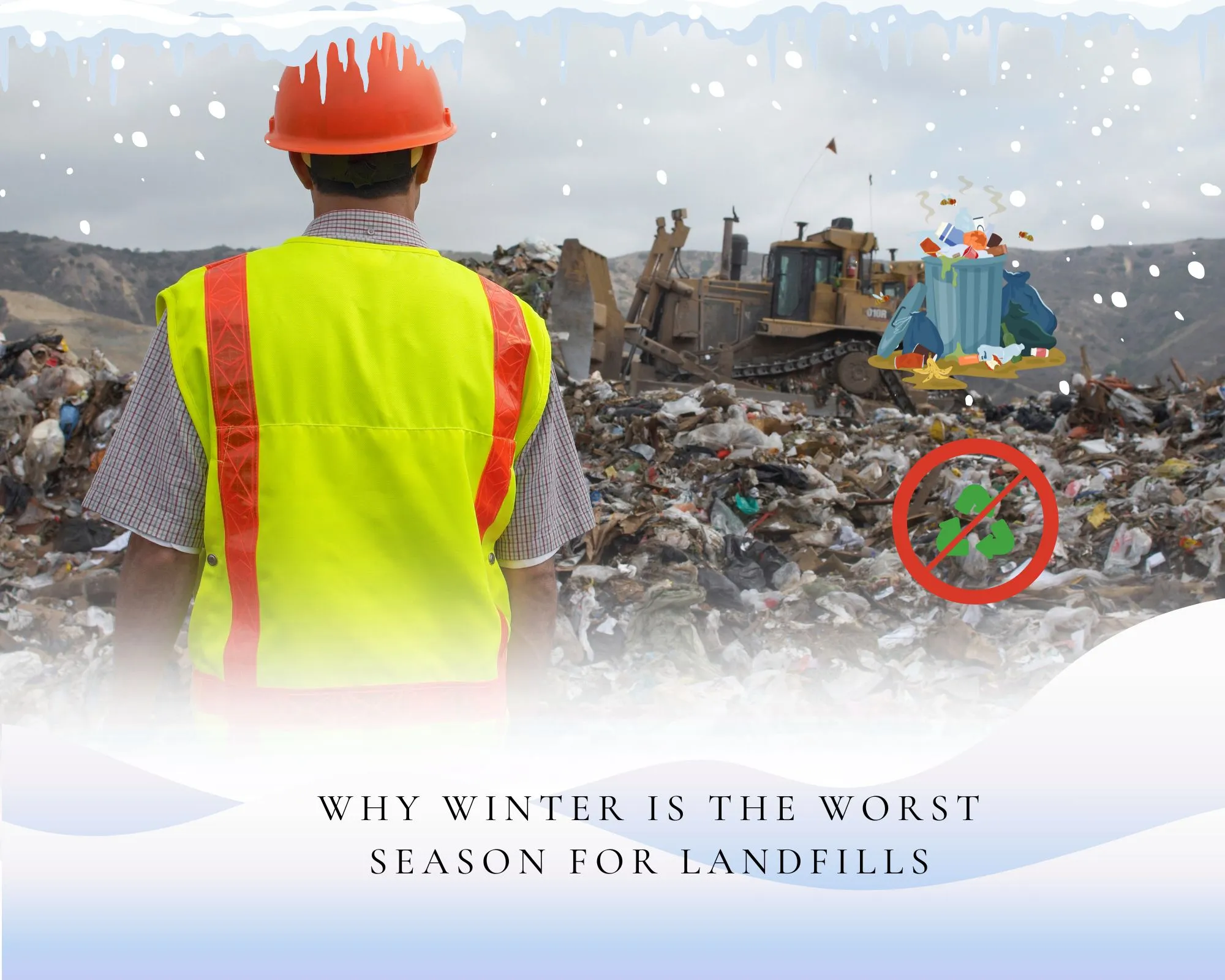
Why Winter Is the Worst Season for Landfills
Winter may feel like a quieter time for waste management, but behind the scenes, colder months place significant strain on landfills. While many people assume trash simply “freezes in place” during winter, the reality is far more complex. Slower decomposition, increased waste volume, and environmental risks make winter the most challenging season for landfills. Understanding these issues highlights why responsible waste disposal is especially important during colder months.
Slower Decomposition in Cold Temperatures
One of the biggest challenges landfills face in winter is the dramatic slowdown of decomposition. Microorganisms responsible for breaking down organic waste rely on warmth and moisture to function efficiently. When temperatures drop, these microbes become far less active, causing food scraps, paper products, and other biodegradable materials to decompose at a much slower rate.
As a result, waste that might normally break down within months can remain intact for extended periods. This creates a backlog within landfills, reducing available space and increasing long-term environmental impact. In colder climates, frozen waste layers can persist well into spring, delaying decomposition even further.
Increased Waste Volume During Winter
Winter is also one of the highest waste-generating seasons of the year. Holiday celebrations, packaging-heavy gifts, seasonal decorations, and increased indoor consumption all contribute to a surge in trash. Disposable food containers, shipping materials, and single-use items add significant volume to landfills during a time when waste breakdown is already limited.
Additionally, winter weather often disrupts recycling and composting participation. Snow, ice, and freezing temperatures can discourage residents from properly sorting waste or accessing drop-off locations. When recyclable or compostable materials end up in landfills instead, they add unnecessary bulk and worsen space constraints.
Space Strain and Operational Challenges
Landfills operate with carefully planned capacity limits, and winter conditions can accelerate the pace at which those limits are reached. Slower decomposition means waste accumulates faster than it breaks down, leading to overcrowding. Heavy equipment may also struggle in icy or muddy conditions, slowing daily operations and reducing efficiency.
Snow and frozen ground can limit landfill expansion and maintenance efforts. In some cases, operators are unable to properly compact waste during winter, which reduces available space and increases the risk of structural instability within the landfill.
Environmental Consequences of Winter Landfill Conditions
Winter landfill conditions can amplify environmental risks. Frozen waste traps methane-producing organic materials beneath the surface. When temperatures eventually rise, methane production can increase rapidly, contributing to greenhouse gas emissions. Methane is a potent contributor to climate change, making landfill management during winter a critical environmental concern.
Leachate, the liquid that forms when waste breaks down, can also become problematic. Snowmelt and winter precipitation may increase leachate volume, and frozen drainage systems can struggle to manage it effectively. If not properly contained, leachate can contaminate nearby soil and water sources.
Wildlife and Pest Activity Around Landfills
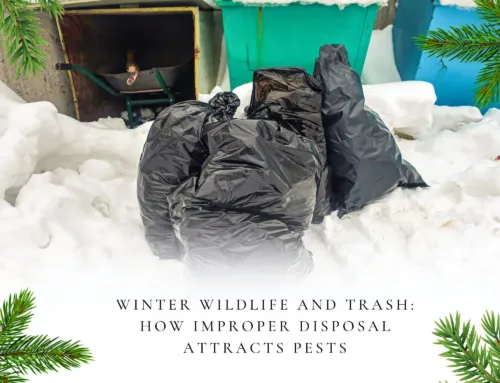
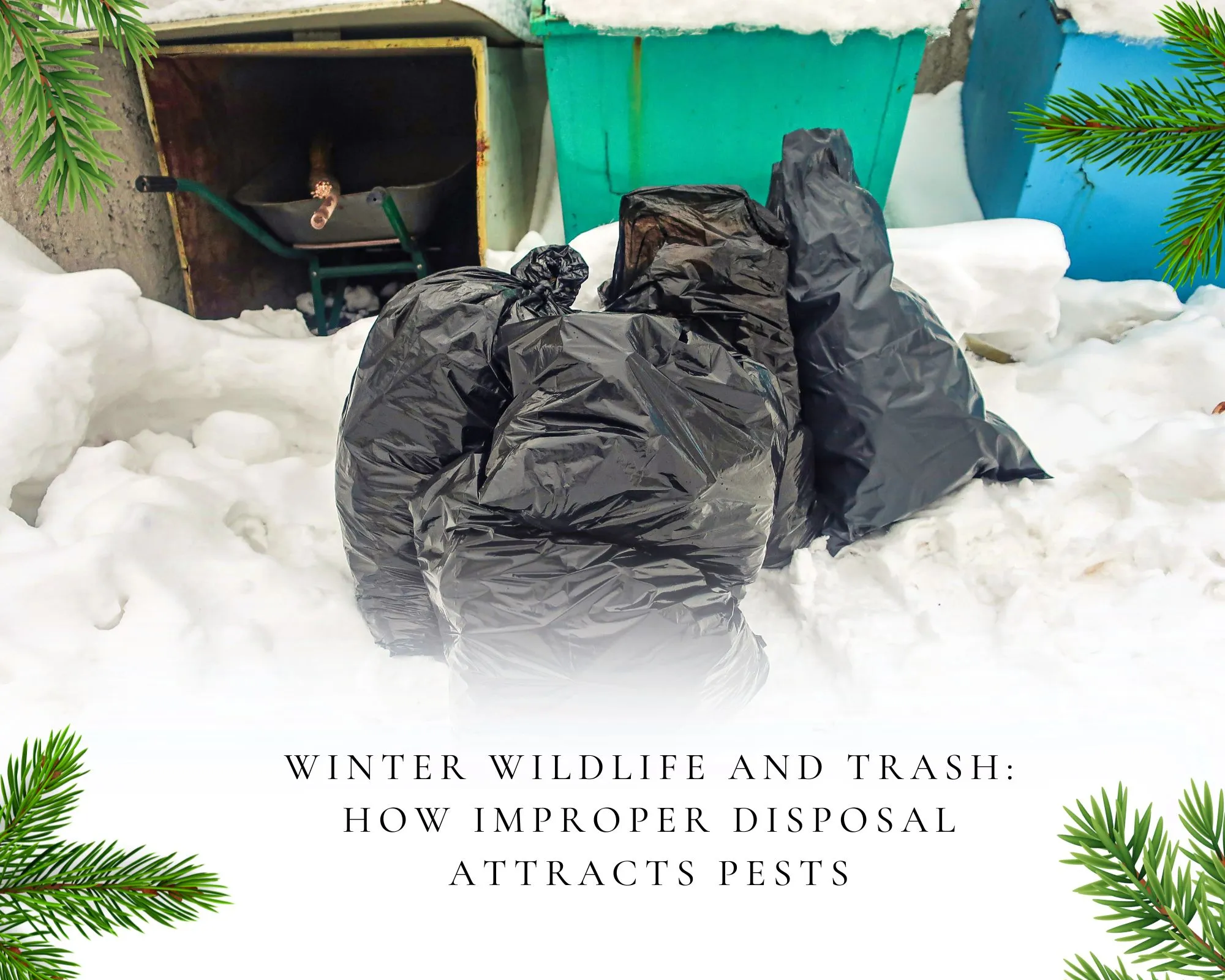
Cold weather forces wildlife to search for reliable food sources, and landfills often become a destination. The combination of food waste and slower disposal cycles can attract birds, rodents, and other scavengers. Increased wildlife activity can spread waste beyond landfill boundaries and raise public health concerns.
These animals may carry diseases or disrupt landfill operations, further complicating winter waste management efforts. Preventing excess food waste from entering landfills helps reduce this risk.
How Communities Can Help Reduce Winter Landfill Strain
Reducing landfill pressure during winter starts with responsible waste habits at home. Recycling properly, minimizing food waste, and avoiding unnecessary packaging can significantly reduce landfill volume. Composting organic materials, even in colder months, prevents slow-decomposing waste from piling up in landfills.
Reliable and consistent trash collection also plays an essential role. Timely pickup prevents waste buildup that can worsen landfill congestion and attract pests. When waste is managed efficiently at the community level, it eases operational strain during the most challenging season.
A Critical Season for Responsible Waste Management
Winter creates the perfect storm for landfill challenges: increased waste, slower decomposition, limited space, and heightened environmental risks. By understanding why colder months are so demanding for landfills, individuals and communities can make more informed choices. Responsible disposal, recycling, and waste reduction efforts are especially important in winter, helping protect landfill capacity and reduce long-term environmental harm.
Share This Story, Choose Your Platform!
Why Winter Is the Worst Season for Landfills
Winter may feel like a quieter time for waste management, but behind the scenes, colder months place significant strain on landfills. While many people assume trash simply “freezes in place” during winter, the reality is far more complex. Slower decomposition, increased waste volume, and environmental risks make winter the most challenging season for landfills. Understanding these issues highlights why responsible waste disposal is especially important during colder months.
Slower Decomposition in Cold Temperatures
One of the biggest challenges landfills face in winter is the dramatic slowdown of decomposition. Microorganisms responsible for breaking down organic waste rely on warmth and moisture to function efficiently. When temperatures drop, these microbes become far less active, causing food scraps, paper products, and other biodegradable materials to decompose at a much slower rate.
As a result, waste that might normally break down within months can remain intact for extended periods. This creates a backlog within landfills, reducing available space and increasing long-term environmental impact. In colder climates, frozen waste layers can persist well into spring, delaying decomposition even further.
Increased Waste Volume During Winter
Winter is also one of the highest waste-generating seasons of the year. Holiday celebrations, packaging-heavy gifts, seasonal decorations, and increased indoor consumption all contribute to a surge in trash. Disposable food containers, shipping materials, and single-use items add significant volume to landfills during a time when waste breakdown is already limited.
Additionally, winter weather often disrupts recycling and composting participation. Snow, ice, and freezing temperatures can discourage residents from properly sorting waste or accessing drop-off locations. When recyclable or compostable materials end up in landfills instead, they add unnecessary bulk and worsen space constraints.
Space Strain and Operational Challenges
Landfills operate with carefully planned capacity limits, and winter conditions can accelerate the pace at which those limits are reached. Slower decomposition means waste accumulates faster than it breaks down, leading to overcrowding. Heavy equipment may also struggle in icy or muddy conditions, slowing daily operations and reducing efficiency.
Snow and frozen ground can limit landfill expansion and maintenance efforts. In some cases, operators are unable to properly compact waste during winter, which reduces available space and increases the risk of structural instability within the landfill.
Environmental Consequences of Winter Landfill Conditions
Winter landfill conditions can amplify environmental risks. Frozen waste traps methane-producing organic materials beneath the surface. When temperatures eventually rise, methane production can increase rapidly, contributing to greenhouse gas emissions. Methane is a potent contributor to climate change, making landfill management during winter a critical environmental concern.
Leachate, the liquid that forms when waste breaks down, can also become problematic. Snowmelt and winter precipitation may increase leachate volume, and frozen drainage systems can struggle to manage it effectively. If not properly contained, leachate can contaminate nearby soil and water sources.
Wildlife and Pest Activity Around Landfills
Cold weather forces wildlife to search for reliable food sources, and landfills often become a destination. The combination of food waste and slower disposal cycles can attract birds, rodents, and other scavengers. Increased wildlife activity can spread waste beyond landfill boundaries and raise public health concerns.
These animals may carry diseases or disrupt landfill operations, further complicating winter waste management efforts. Preventing excess food waste from entering landfills helps reduce this risk.
How Communities Can Help Reduce Winter Landfill Strain
Reducing landfill pressure during winter starts with responsible waste habits at home. Recycling properly, minimizing food waste, and avoiding unnecessary packaging can significantly reduce landfill volume. Composting organic materials, even in colder months, prevents slow-decomposing waste from piling up in landfills.
Reliable and consistent trash collection also plays an essential role. Timely pickup prevents waste buildup that can worsen landfill congestion and attract pests. When waste is managed efficiently at the community level, it eases operational strain during the most challenging season.
A Critical Season for Responsible Waste Management
Winter creates the perfect storm for landfill challenges: increased waste, slower decomposition, limited space, and heightened environmental risks. By understanding why colder months are so demanding for landfills, individuals and communities can make more informed choices. Responsible disposal, recycling, and waste reduction efforts are especially important in winter, helping protect landfill capacity and reduce long-term environmental harm.