Winter Wildlife and Trash: How Improper Disposal Attracts Pests
As temperatures drop and natural food sources become scarce, wildlife becomes more resourceful in its search for survival. During the winter months, improperly disposed trash can quickly turn neighborhoods into feeding grounds for unwanted pests. From raccoons and rodents to stray animals, unsecured waste creates serious health, safety, and sanitation concerns for communities. Understanding why winter wildlife is drawn to trash and how to prevent it can help protect both residents and the environment.
Why Trash Becomes a Target in Winter
Cold weather limits access to natural food sources such as insects, plants, and small prey. As a result, wildlife shifts its focus toward human-generated waste, which offers an easy and calorie-dense alternative. Food scraps, packaging residue, and even scented items like paper towels or pet food containers can attract animals from long distances.
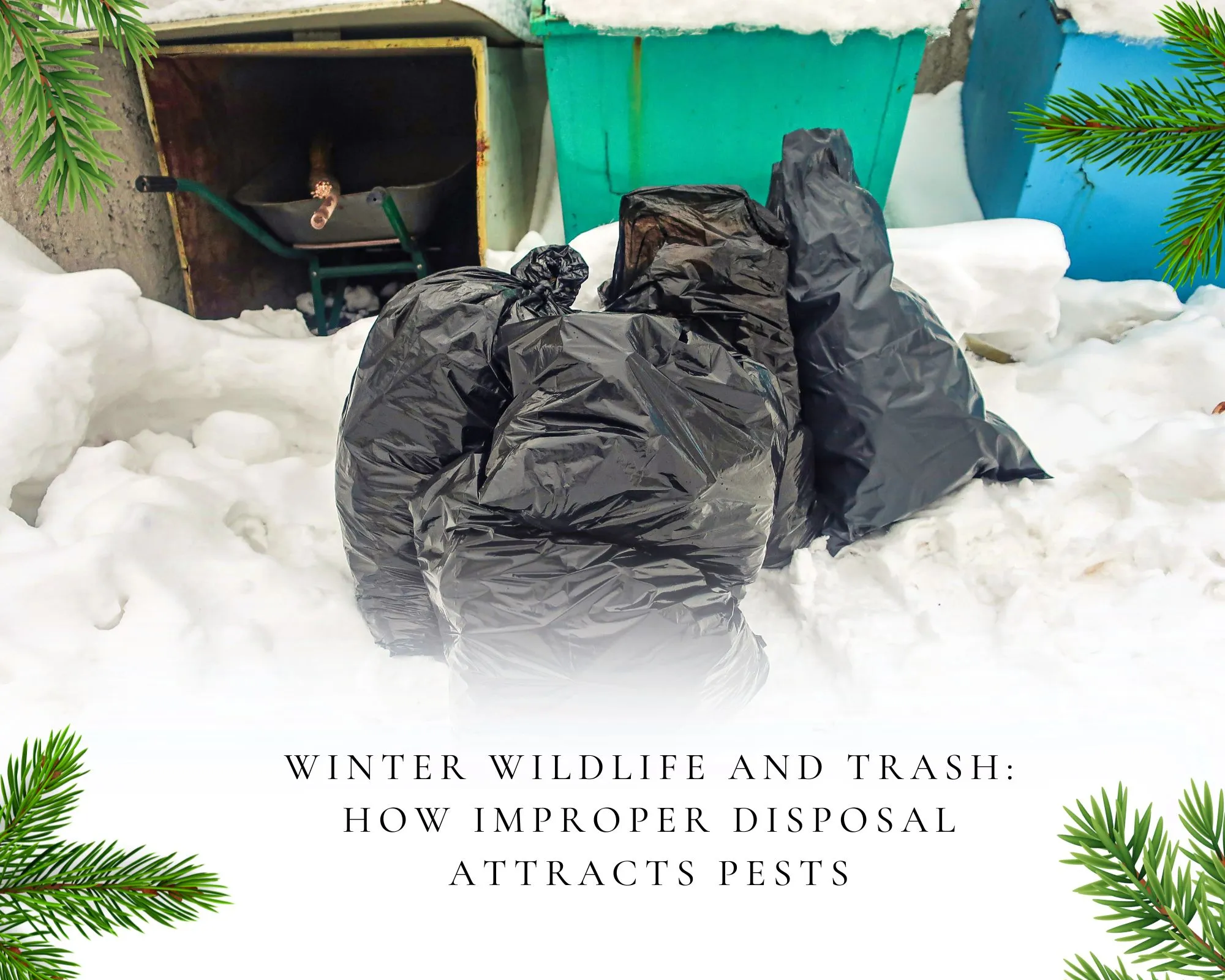
Trash left exposed for extended periods only worsens the issue. Missed pickups, overflowing bins, or loose bags provide easy access for scavengers, especially when winter conditions slow decomposition and odors linger longer.
Common Winter Trash Pests
Raccoons are among the most notorious cold-weather scavengers. Highly intelligent and persistent, they can open unsecured lids and tear through bags in search of food. Their activity often leaves trash scattered across yards and streets, creating cleanup challenges and attracting even more pests.
Rodents such as rats and mice are another major concern during winter. As outdoor temperatures drop, rodents seek both food and shelter near homes. Trash areas provide both, increasing the risk of infestations. Rodents can carry diseases, damage property, and chew through wiring and insulation once they gain access to buildings.
Other winter scavengers may include opossums, feral cats, stray dogs, and birds. While some animals may seem harmless, repeated exposure to trash can lead to aggressive behavior, dependency, and health risks for both animals and humans.
Health and Environmental Risks
Improper trash disposal doesn’t just create a mess—it can pose serious health risks. Wildlife that comes into contact with household waste can spread bacteria, parasites, and viruses through droppings or direct contact. Trash scattered by animals can clog storm drains, pollute waterways, and create slip hazards on icy surfaces.
Additionally, wildlife that becomes accustomed to feeding on trash may lose natural foraging behaviors, increasing the likelihood of vehicle collisions and human-wildlife conflicts.
How to Prevent Winter Wildlife Issues
Proper trash management is the most effective way to deter pests during the winter months. Residents should ensure all trash is placed in sturdy, lidded bins and avoid leaving loose bags outside. Lids should be securely closed to prevent animals from prying them open.
It’s also important to avoid placing trash out too early. Limiting the time waste sits outdoors reduces the opportunity for animals to access it. Rinsing food containers before disposal can help minimize odors that attract scavengers.
Keeping trash areas clean is equally important. Spilled food, residue, and overflowing bins should be addressed promptly. In colder months, frozen trash can sometimes prevent lids from closing properly, so checking bins regularly is essential.
The Role of Reliable Trash Collection
Consistent and dependable trash pickup plays a critical role in preventing winter wildlife problems. When trash is collected regularly and efficiently, it reduces the chance for waste to accumulate and attract pests. Reliable service helps keep neighborhoods cleaner, safer, and less inviting to scavenging animals during the colder months.
Protecting Your Community This Winter
Winter wildlife activity is a natural response to harsh conditions, but improper trash disposal makes the problem far worse. By taking simple preventive steps and ensuring waste is handled responsibly, residents can protect their homes, their neighborhoods, and local ecosystems. Clean, secure trash practices not only reduce pest issues but also support a healthier and more sustainable community throughout the winter season.
Share This Story, Choose Your Platform!
Winter Wildlife and Trash: How Improper Disposal Attracts Pests
As temperatures drop and natural food sources become scarce, wildlife becomes more resourceful in its search for survival. During the winter months, improperly disposed trash can quickly turn neighborhoods into feeding grounds for unwanted pests. From raccoons and rodents to stray animals, unsecured waste creates serious health, safety, and sanitation concerns for communities. Understanding why winter wildlife is drawn to trash and how to prevent it can help protect both residents and the environment.
Why Trash Becomes a Target in Winter
Cold weather limits access to natural food sources such as insects, plants, and small prey. As a result, wildlife shifts its focus toward human-generated waste, which offers an easy and calorie-dense alternative. Food scraps, packaging residue, and even scented items like paper towels or pet food containers can attract animals from long distances.
Trash left exposed for extended periods only worsens the issue. Missed pickups, overflowing bins, or loose bags provide easy access for scavengers, especially when winter conditions slow decomposition and odors linger longer.
Common Winter Trash Pests
Raccoons are among the most notorious cold-weather scavengers. Highly intelligent and persistent, they can open unsecured lids and tear through bags in search of food. Their activity often leaves trash scattered across yards and streets, creating cleanup challenges and attracting even more pests.
Rodents such as rats and mice are another major concern during winter. As outdoor temperatures drop, rodents seek both food and shelter near homes. Trash areas provide both, increasing the risk of infestations. Rodents can carry diseases, damage property, and chew through wiring and insulation once they gain access to buildings.
Other winter scavengers may include opossums, feral cats, stray dogs, and birds. While some animals may seem harmless, repeated exposure to trash can lead to aggressive behavior, dependency, and health risks for both animals and humans.
Health and Environmental Risks
Improper trash disposal doesn’t just create a mess—it can pose serious health risks. Wildlife that comes into contact with household waste can spread bacteria, parasites, and viruses through droppings or direct contact. Trash scattered by animals can clog storm drains, pollute waterways, and create slip hazards on icy surfaces.
Additionally, wildlife that becomes accustomed to feeding on trash may lose natural foraging behaviors, increasing the likelihood of vehicle collisions and human-wildlife conflicts.
How to Prevent Winter Wildlife Issues
Proper trash management is the most effective way to deter pests during the winter months. Residents should ensure all trash is placed in sturdy, lidded bins and avoid leaving loose bags outside. Lids should be securely closed to prevent animals from prying them open.
It’s also important to avoid placing trash out too early. Limiting the time waste sits outdoors reduces the opportunity for animals to access it. Rinsing food containers before disposal can help minimize odors that attract scavengers.
Keeping trash areas clean is equally important. Spilled food, residue, and overflowing bins should be addressed promptly. In colder months, frozen trash can sometimes prevent lids from closing properly, so checking bins regularly is essential.
The Role of Reliable Trash Collection
Consistent and dependable trash pickup plays a critical role in preventing winter wildlife problems. When trash is collected regularly and efficiently, it reduces the chance for waste to accumulate and attract pests. Reliable service helps keep neighborhoods cleaner, safer, and less inviting to scavenging animals during the colder months.
Protecting Your Community This Winter
Winter wildlife activity is a natural response to harsh conditions, but improper trash disposal makes the problem far worse. By taking simple preventive steps and ensuring waste is handled responsibly, residents can protect their homes, their neighborhoods, and local ecosystems. Clean, secure trash practices not only reduce pest issues but also support a healthier and more sustainable community throughout the winter season.