What Happens When Landfills Reach Capacity
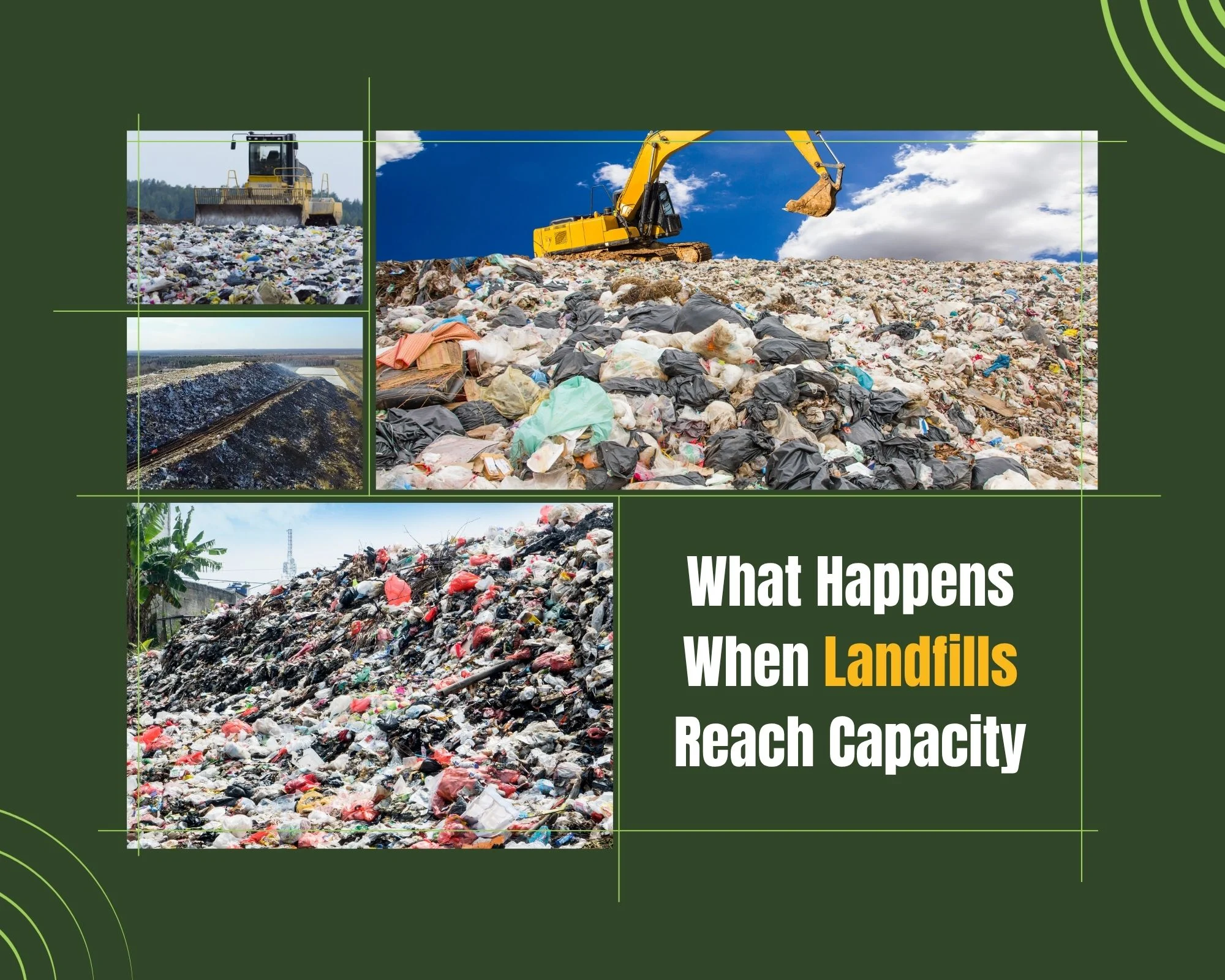
Most people do not think about where their trash goes after it leaves the curb. Once it is picked up, it is easy to assume it simply disappears. In reality, most household waste ends up in landfills that have limited space. When a landfill reaches its capacity, it creates serious challenges for waste management systems, local governments, and communities.
Understanding what happens when landfills fill up can help highlight why responsible waste disposal and waste reduction are so important.
Why Landfills Have Limited Space
Landfills are carefully engineered sites designed to store waste safely. They are built with protective liners, drainage systems, and layers of soil to help manage trash and reduce environmental impact. However, these sites are not unlimited in size.
Each landfill is designed to hold a certain amount of waste over a specific period of time. As garbage continues to accumulate, the available space gradually disappears. Once the landfill reaches its permitted capacity, it cannot accept any more waste.
At that point, the landfill must either close or go through a lengthy expansion process if land is available.
The Impact on Local Waste Management
When a landfill becomes full, waste collection companies and municipalities must redirect trash to other facilities. This can create several challenges.
Trash may need to be transported much farther away to reach another landfill. Longer transportation routes increase fuel use, transportation costs, and overall operational expenses.
In some areas, communities may even need to send their waste to landfills in neighboring counties or states if local options are no longer available.
These changes can increase the overall cost of waste disposal and may eventually affect residents and service providers.
Environmental Concerns
A landfill that has reached capacity still requires ongoing monitoring and maintenance. Even after it stops accepting waste, the site must be carefully managed to prevent environmental problems.
Landfills produce gases such as methane as organic waste breaks down. They also create liquid runoff known as leachate, which must be controlled to prevent contamination of soil and groundwater.
Proper landfill closure procedures are designed to minimize these risks, but the environmental responsibility continues for many years after a landfill stops operating.
Why Reducing Waste Matters
One of the most effective ways to extend the lifespan of landfills is to reduce the amount of waste being sent to them. When households recycle properly and avoid unnecessary waste, it slows the rate at which landfill space is used.
Simple actions can make a noticeable difference over time. Recycling materials such as cardboard, aluminum, and plastics helps divert waste from landfills. Composting food scraps and yard debris can also reduce the amount of organic waste that ends up in the trash.
The less waste that goes into landfills, the longer these facilities can continue operating.
Community Awareness Makes a Difference
Landfills play an important role in managing waste, but they are not a permanent solution. As populations grow and communities produce more waste, landfill capacity becomes an increasing concern in many regions.
Responsible disposal habits, better recycling practices, and greater awareness about waste reduction all contribute to a more sustainable system.
By paying attention to how trash is handled at home, residents can help reduce pressure on landfills and support long term waste management solutions for their communities.
Share This Story, Choose Your Platform!
What Happens When Landfills Reach Capacity
Most people do not think about where their trash goes after it leaves the curb. Once it is picked up, it is easy to assume it simply disappears. In reality, most household waste ends up in landfills that have limited space. When a landfill reaches its capacity, it creates serious challenges for waste management systems, local governments, and communities.
Understanding what happens when landfills fill up can help highlight why responsible waste disposal and waste reduction are so important.
Why Landfills Have Limited Space
Landfills are carefully engineered sites designed to store waste safely. They are built with protective liners, drainage systems, and layers of soil to help manage trash and reduce environmental impact. However, these sites are not unlimited in size.
Each landfill is designed to hold a certain amount of waste over a specific period of time. As garbage continues to accumulate, the available space gradually disappears. Once the landfill reaches its permitted capacity, it cannot accept any more waste.
At that point, the landfill must either close or go through a lengthy expansion process if land is available.
The Impact on Local Waste Management
When a landfill becomes full, waste collection companies and municipalities must redirect trash to other facilities. This can create several challenges.
Trash may need to be transported much farther away to reach another landfill. Longer transportation routes increase fuel use, transportation costs, and overall operational expenses.
In some areas, communities may even need to send their waste to landfills in neighboring counties or states if local options are no longer available.
These changes can increase the overall cost of waste disposal and may eventually affect residents and service providers.
Environmental Concerns
A landfill that has reached capacity still requires ongoing monitoring and maintenance. Even after it stops accepting waste, the site must be carefully managed to prevent environmental problems.
Landfills produce gases such as methane as organic waste breaks down. They also create liquid runoff known as leachate, which must be controlled to prevent contamination of soil and groundwater.
Proper landfill closure procedures are designed to minimize these risks, but the environmental responsibility continues for many years after a landfill stops operating.
Why Reducing Waste Matters
One of the most effective ways to extend the lifespan of landfills is to reduce the amount of waste being sent to them. When households recycle properly and avoid unnecessary waste, it slows the rate at which landfill space is used.
Simple actions can make a noticeable difference over time. Recycling materials such as cardboard, aluminum, and plastics helps divert waste from landfills. Composting food scraps and yard debris can also reduce the amount of organic waste that ends up in the trash.
The less waste that goes into landfills, the longer these facilities can continue operating.
Community Awareness Makes a Difference
Landfills play an important role in managing waste, but they are not a permanent solution. As populations grow and communities produce more waste, landfill capacity becomes an increasing concern in many regions.
Responsible disposal habits, better recycling practices, and greater awareness about waste reduction all contribute to a more sustainable system.
By paying attention to how trash is handled at home, residents can help reduce pressure on landfills and support long term waste management solutions for their communities.