The Influence of Online Shopping on Residential Waste Streams
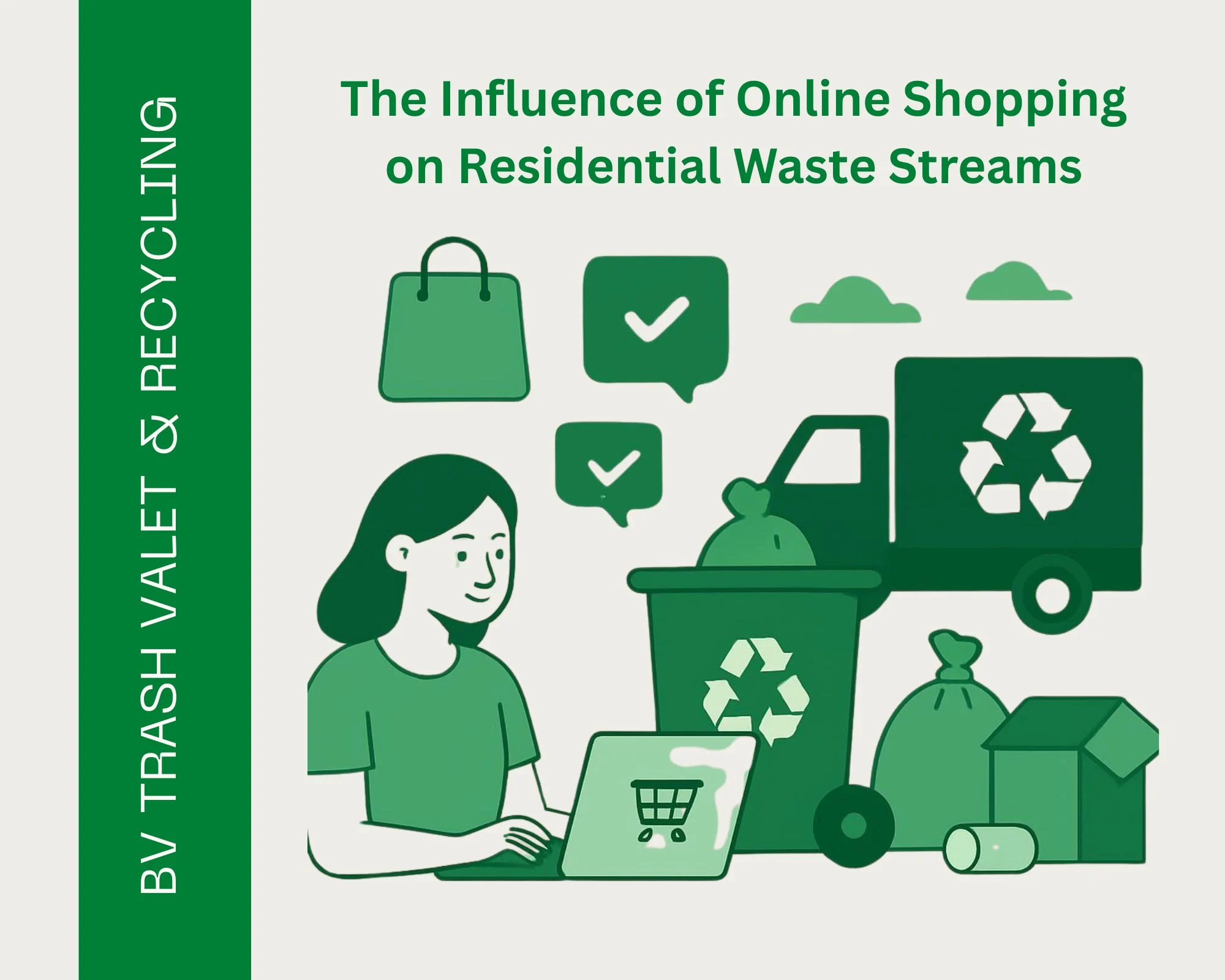
Online shopping has become a normal part of everyday life for many households. With the convenience of ordering products and having them delivered directly to the door, consumer behavior has shifted significantly over the past decade. While this convenience is widely appreciated, it has also changed the way waste is generated, handled, and disposed of in residential settings.
Understanding how online shopping affects residential waste streams helps explain why households are producing more packaging waste and what can be done to manage it more effectively.
How Online Shopping Changes Waste Volume
Traditional in-store shopping typically involves minimal packaging, often limited to reusable bags or small amounts of wrapping. In contrast, online orders require additional layers of protection to ensure items arrive undamaged.
Each order may include:
- Cardboard shipping boxes
- Internal packaging materials such as foam or air pillows
- Plastic wrapping or sealing materials
- Product packaging from the manufacturer
As the number of online purchases increases, so does the total volume of packaging entering residential waste streams. Even small, frequent purchases can add up to a significant amount of material over time.
The Rise of Packaging Waste at Home
One of the most noticeable impacts of online shopping is the increase in packaging waste inside the home. Households that frequently order online often accumulate boxes, fillers, and packaging materials faster than they can be disposed of.
This creates several challenges:
- Storage of empty boxes before disposal
- Increased frequency of trash and recycling disposal
- Greater need for sorting materials correctly
- Higher chances of improper disposal due to convenience
Without proper handling, much of this packaging can end up in the trash instead of being recycled.
Impact on Recycling Streams
Online shopping packaging is often recyclable, but only when it is properly prepared and sorted. Cardboard boxes, for example, are widely recyclable, but they need to be broken down and kept free of contaminants such as food residue or non-recyclable materials.
Mixed materials present another challenge. Some packaging combines paper, plastic, and adhesives, which can make recycling more complicated. When these materials are placed in recycling bins without proper separation, they can contribute to contamination issues that affect the entire recycling stream.
Why Contamination Becomes More Common
As packaging waste increases, so does the likelihood of improper disposal. When residents are dealing with large volumes of materials, they may not always take the time to sort items correctly.
Common issues include:
- Placing non-recyclable packing materials in recycling bins
- Leaving plastic fillers mixed with cardboard
- Disposing of partially empty containers without cleaning them
- Overfilling recycling bins with unbroken boxes
These habits can reduce the effectiveness of recycling programs and lead to more material being sent to landfills.
Storage and Disposal Challenges in Homes
Unlike traditional waste, online shopping packaging often requires temporary storage before disposal. Large boxes can take up space inside homes, garages, or outdoor areas until they are broken down and discarded.
For households with limited space, this can create inconvenience and clutter. As a result, some residents may delay disposal or dispose of materials improperly just to free up space.
How Residential Waste Streams Are Affected Long Term
The growth of online shopping has contributed to a noticeable shift in residential waste composition. Packaging materials now make up a larger portion of household waste compared to previous years.
This trend has implications for:
- Waste collection frequency
- Recycling program capacity
- Landfill usage rates
- Material recovery systems
As online shopping continues to grow, these impacts are likely to become even more significant over time.
Practical Ways Households Can Manage Packaging Waste
Managing packaging waste effectively starts with small, consistent habits at home.
Breaking down boxes before disposal helps reduce volume and makes recycling more efficient. Separating recyclable materials from non-recyclable packaging improves sorting outcomes. Keeping recyclable materials clean and dry also increases the likelihood that they will be processed correctly.
Being mindful of packaging before disposal helps reduce contamination and improves the overall efficiency of waste systems.
The Bigger Picture
Online shopping offers convenience that has reshaped consumer behavior, but it also brings added responsibility in how waste is handled at the household level. As residential waste streams continue to evolve, awareness and proper disposal practices play an important role in maintaining effective recycling and waste management systems.
By understanding the connection between purchasing habits and waste generation, households can make more informed decisions that support both convenience and sustainability.
Share This Story, Choose Your Platform!
The Influence of Online Shopping on Residential Waste Streams
Online shopping has become a normal part of everyday life for many households. With the convenience of ordering products and having them delivered directly to the door, consumer behavior has shifted significantly over the past decade. While this convenience is widely appreciated, it has also changed the way waste is generated, handled, and disposed of in residential settings.
Understanding how online shopping affects residential waste streams helps explain why households are producing more packaging waste and what can be done to manage it more effectively.
How Online Shopping Changes Waste Volume
Traditional in-store shopping typically involves minimal packaging, often limited to reusable bags or small amounts of wrapping. In contrast, online orders require additional layers of protection to ensure items arrive undamaged.
Each order may include:
- Cardboard shipping boxes
- Internal packaging materials such as foam or air pillows
- Plastic wrapping or sealing materials
- Product packaging from the manufacturer
As the number of online purchases increases, so does the total volume of packaging entering residential waste streams. Even small, frequent purchases can add up to a significant amount of material over time.
The Rise of Packaging Waste at Home
One of the most noticeable impacts of online shopping is the increase in packaging waste inside the home. Households that frequently order online often accumulate boxes, fillers, and packaging materials faster than they can be disposed of.
This creates several challenges:
- Storage of empty boxes before disposal
- Increased frequency of trash and recycling disposal
- Greater need for sorting materials correctly
- Higher chances of improper disposal due to convenience
Without proper handling, much of this packaging can end up in the trash instead of being recycled.
Impact on Recycling Streams
Online shopping packaging is often recyclable, but only when it is properly prepared and sorted. Cardboard boxes, for example, are widely recyclable, but they need to be broken down and kept free of contaminants such as food residue or non-recyclable materials.
Mixed materials present another challenge. Some packaging combines paper, plastic, and adhesives, which can make recycling more complicated. When these materials are placed in recycling bins without proper separation, they can contribute to contamination issues that affect the entire recycling stream.
Why Contamination Becomes More Common
As packaging waste increases, so does the likelihood of improper disposal. When residents are dealing with large volumes of materials, they may not always take the time to sort items correctly.
Common issues include:
- Placing non-recyclable packing materials in recycling bins
- Leaving plastic fillers mixed with cardboard
- Disposing of partially empty containers without cleaning them
- Overfilling recycling bins with unbroken boxes
These habits can reduce the effectiveness of recycling programs and lead to more material being sent to landfills.
Storage and Disposal Challenges in Homes
Unlike traditional waste, online shopping packaging often requires temporary storage before disposal. Large boxes can take up space inside homes, garages, or outdoor areas until they are broken down and discarded.
For households with limited space, this can create inconvenience and clutter. As a result, some residents may delay disposal or dispose of materials improperly just to free up space.
How Residential Waste Streams Are Affected Long Term
The growth of online shopping has contributed to a noticeable shift in residential waste composition. Packaging materials now make up a larger portion of household waste compared to previous years.
This trend has implications for:
- Waste collection frequency
- Recycling program capacity
- Landfill usage rates
- Material recovery systems
As online shopping continues to grow, these impacts are likely to become even more significant over time.
Practical Ways Households Can Manage Packaging Waste
Managing packaging waste effectively starts with small, consistent habits at home.
Breaking down boxes before disposal helps reduce volume and makes recycling more efficient. Separating recyclable materials from non-recyclable packaging improves sorting outcomes. Keeping recyclable materials clean and dry also increases the likelihood that they will be processed correctly.
Being mindful of packaging before disposal helps reduce contamination and improves the overall efficiency of waste systems.
The Bigger Picture
Online shopping offers convenience that has reshaped consumer behavior, but it also brings added responsibility in how waste is handled at the household level. As residential waste streams continue to evolve, awareness and proper disposal practices play an important role in maintaining effective recycling and waste management systems.
By understanding the connection between purchasing habits and waste generation, households can make more informed decisions that support both convenience and sustainability.